Northeast Minneapolis — locals just call it "Nordeast" — was built by Polish, Ukrainian, and Slovak immigrants who worked the flour mills and railyards along the Mississippi. What they left behind is a grid of modest brick buildings, onion-domed churches, and old industrial warehouses that, over the last few decades, have quietly filled with painters, sculptors, ceramicists, and glassblowers. It's now home to one of the largest concentrations of working artists in the country, and the neighborhood wears that history without pretending to be anything other than what it is: a working-class district that happens to make a lot of art.
This walk moves through the heart of the Arts District, from converted warehouse studio buildings to the murals that cover old brewery walls, ending at a family-run institution that's been feeding this neighborhood since before the art scene existed. You'll pass working studios, a legendary former brewery complex, and public art installed directly on the buildings where it lives — not behind glass, not roped off.
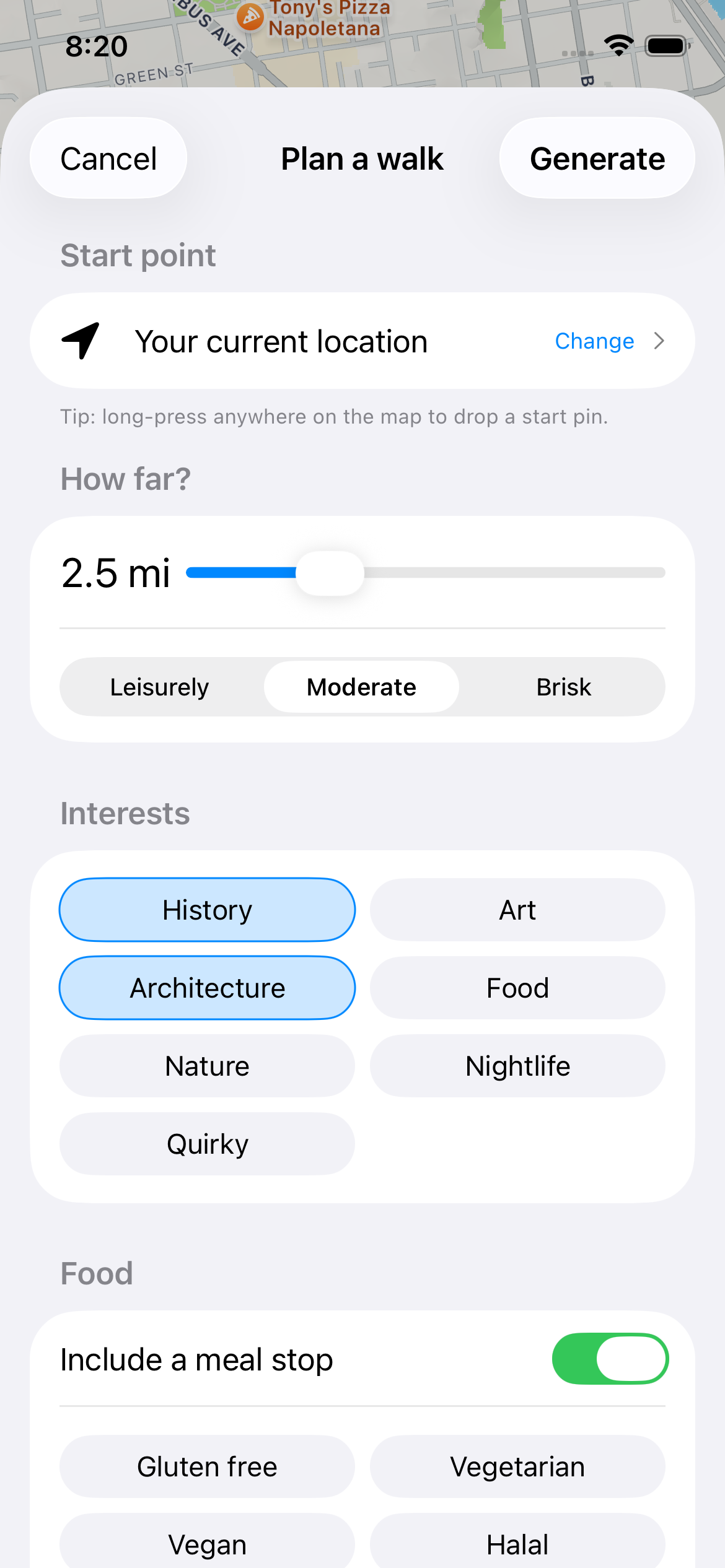
The Mosey app plots the route stop by stop and surfaces the historical context at each one as you arrive, so you're not standing on a sidewalk squinting at a plaque. It's built for exactly this kind of walk: a neighborhood with layered history that rewards slowing down. Bring a phone, wear shoes you don't mind putting a few miles on, and give yourself time to actually go inside a studio or two — most welcome walk-ins during open hours.
The Route: Stop by Stop
"Built in 1917 as a seed warehouse for the Northrup King Seed Company, this six-story brick building processed and shipped agricultural seed across the Midwest for most of the 20th century. When the company moved out in the 1990s, developers converted the raw warehouse floors into artist studios rather than demolishing it, and today it holds over 350 working artists across roughly 250 studios, making it the anchor of the entire Arts District. The building still has its original freight elevators and loading docks, and seed-company signage is preserved in a few stairwells."
Studios are generally open to walk-ins Wednesday through Saturday, but hours vary by artist, so check the building directory posted near the main Jackson St entrance before heading up. It's free to wander the halls; the first and second floors have the highest concentration of open studios during daytime hours.
"A former linseed oil processing plant, this building has operated as artist studio space since the early 1990s and is considered one of the founding buildings of the district alongside Northrup King. Its narrow hallways and low industrial ceilings were never designed for foot traffic, which gives it a rawer, less-renovated feel than its larger neighbor. Painters, printmakers, and jewelry makers occupy most of the space today."
Smaller and quieter than Northrup King, so it's a good stop if you want a slower pace with fewer crowds. Check open studio signage on doors — a flipped sign or open door usually means visitors are welcome.
"Northeast's mural scene grew out of the district's push in the 2000s to formalize public art on the exteriors of its industrial buildings, many of which had stood blank for decades. Local and visiting muralists have used these walls as rotating canvases ever since, with new work appearing most years, often tied to the neighborhood's annual Art-A-Whirl studio tour every May. The murals along this stretch of Central Avenue reflect the district's immigrant history and its current identity as an arts hub simultaneously."
Best photographed in late morning when the sun isn't directly behind the wall. This is a quick stop — walk the block, then continue north toward the brewery district.
"Grain Belt Beer was brewed on this site from 1893 until the original Minneapolis brewery closed in 1976, and the complex's Romanesque brick buildings and the iconic Grain Belt sign across the river became fixtures of the Minneapolis skyline. The bottling house and brew house sat vacant and deteriorating for years before restoration efforts in the 2010s stabilized the buildings, and the sign itself was relit in 2017 after a multi-year fundraising campaign. It's one of the few remaining physical links to Northeast's brewing history, a trade largely built by the German and Eastern European immigrants who settled here."
You can view the exterior and courtyard for free; some sections have been converted to offices and aren't open to the public. Stand at the corner of Marshall St NE and 13th Ave for the best view of the old brew house facade.
"Northeast Minneapolis has one of the highest concentrations of churches per capita in the state, a legacy of the distinct immigrant parishes — Polish, Slovak, Ukrainian, French-Canadian — that each built their own place of worship within blocks of one another. This church reflects that pattern: a solid, unadorned brick structure built for a working congregation, not a showpiece. The neighborhood's nickname, "Nordeast," and its tight-knit identity trace directly back to these parish boundaries."
Exterior viewing only unless mass is in session; this is a quick photo stop that illustrates the neighborhood's roots before the arts scene arrived. No fee, no set hours to plan around.
"As its name suggests, this building manufactured caskets for much of the 20th century before being converted into artist studios in the 2000s. It's smaller than Northrup King or California but holds a dense mix of visual artists, textile designers, and small creative businesses. The building's industrial bones — concrete floors, exposed brick, oversized freight doors — are largely untouched from its manufacturing days."
A shorter stop than the earlier studio buildings; worth a walk-through if you have time, but skippable if you're running behind schedule. Free to enter during posted studio hours, typically weekday afternoons.
"The Ritz Theater opened in 1930 as a neighborhood movie house before falling into disuse mid-century; it was rescued and renovated in the 1990s and now operates as a performing arts venue run by Ballet of the Dolls and other local companies. The block surrounding it has become another informal outdoor gallery, with murals wrapping the theater's side walls and adjacent buildings. It's a good example of how the district's arts identity extended from private studio spaces into fully public-facing installations."
Worth walking the full block around the building rather than just the front facade — most of the mural work is on the side and rear walls. This stop sets you up just a few minutes from dinner.
"Opened in 1954 by Ukrainian immigrants Wasyl and Anna Kramarczuk, this deli and restaurant has served house-made sausages, pierogi, and holubtsi to the neighborhood for over 70 years and remains family-run today. It's one of the clearest surviving links to Northeast's Eastern European immigrant community, predating the arts district by decades and still drawing lines out the door on weekends. Anthony Bourdain featured it on television, but the restaurant hasn't changed its approach — cafeteria-style ordering, scratch-made everything, and a retail deli case up front stocked with sausage to take home."
Order at the counter cafeteria-style; the Ukrainian combo plate or a fresh kielbasa on rye are the moves. Go before 6:30pm on weekends to avoid the longest lines, and budget $12–18 per person — cash and card both accepted, and the attached deli counter is worth browsing on the way out.
Planning Your Walk
Best time to walk: July in Minneapolis runs warm and humid, typically 75–85°F with occasional afternoon thunderstorms — mornings before 11am are cooler and less crowded at gallery buildings. Sunscreen and water are worth carrying since several stretches of the route have limited shade.
Shoes: Flat sidewalks and paved lots throughout, with a few gravel patches near old rail spurs — comfortable walking shoes are fine, no special terrain to worry about.
The narration: At each stop, Mosey surfaces short historical notes pulled from local archives and neighborhood records — the kind of detail a plaque would give you, if there were a plaque.
Walk This Route with Mosey
Open the Mosey app to get turn-by-turn guidance and stop-by-stop historical narration for this exact route through the Northeast Arts District.
Download on the App Store — Free